

Step into one of California’s eeriest time capsules, Bodie, a real abandoned Gold Rush town tucked into Mono County in the Eastern Sierra. Just an hour and twenty minutes north of Mammoth Lakes, this ghost town, abandoned in the early 20th century, sits suspended between past and present. Weathered buildings cling to life, broken glass glints in the light, and silent streets whisper stories from another century.
Bodie isn’t just a forgotten settlement. Today, it stands as a California State Historic Park and National Historic Landmark, preserved in a condition known as “arrested decay.” Rather than restoring buildings to their former selves, the park protects them just as they were left, with dust covering interiors, wood frames leaning with age, and artifacts frozen in time.
If you’re drawn to tales of gold, grit, and ghostly legends, Bodie delivers all of it. The story of this once-booming town unfolds like a Wild West drama—filled with sudden fortune, dangerous living, tragic loss, and lingering mysteries. For travelers staying in Mammoth Lakes, a visit to Bodie connects the present with this dramatic past, offering one of the most unforgettable and slightly unsettling day trips you can take.
In This Piece:
- Gold and a Frozen Prospector Gave Bodie Its Name
- Bodie Boomed Into the Wild West’s Most Lawless Town
- The Bad Man of Bodie Ruled a Town of Saloons and Sin
- The Ghost Stories That Earned Bodie Its Haunted Reputation
- The Curse of Bodie Punishes Anyone Who Takes a Souvenir
- Fires and Failing Mines Turned Bodie Into a Ghost Town
- What Bodie Looks Like Today in Arrested Decay
- How to Plan Your Bodie Day Trip From Mammoth Lakes
- Make Bodie the Highlight of Your Mammoth Lakes Getaway
- Your Bodie Ghost Town Questions, Answered
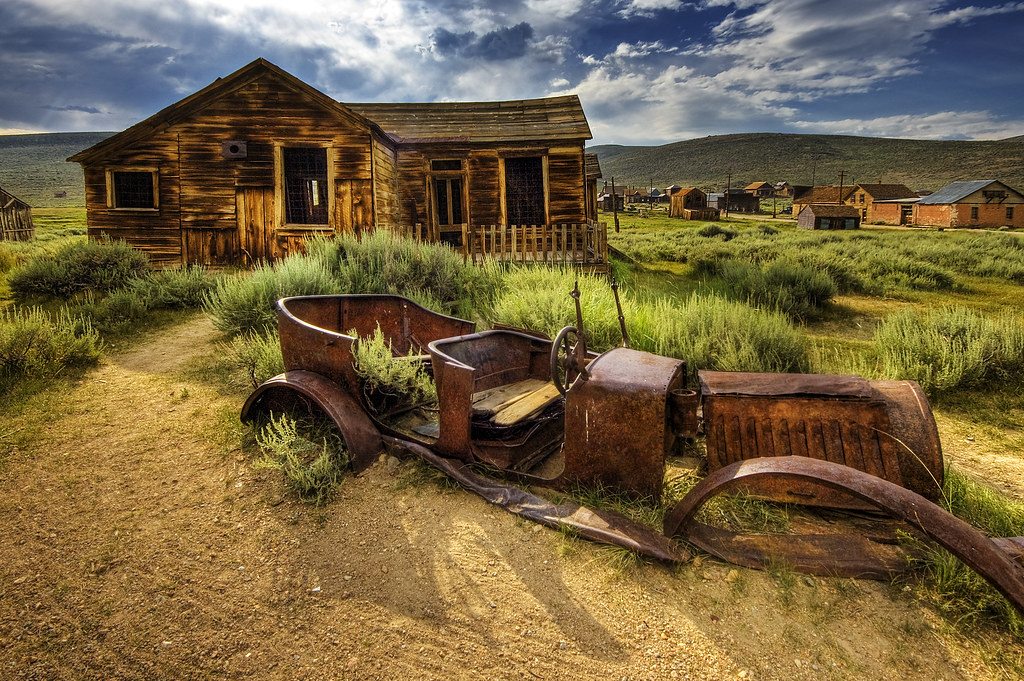
Gold and a Frozen Prospector Gave Bodie Its Name
The story of Bodie begins in 1859 with a man named William S. Bodey, often referred to as Waterman Bodey. Like many prospectors of his time, he was chasing opportunity in the mountains of the Eastern Sierra. That year, Bodey discovered gold near a ridge that would later be called Bodie Bluff. It had all the makings of a mining boom, but fate stepped in before he could profit from his find.
Soon after finding gold, Bodey set out on a supply trip to a nearby settlement. Along the way, he was caught in a severe winter storm. He never returned. When searchers finally found him months later, his body was frozen in the snow. He never saw the town that would eventually carry his name rise to fame. Somewhere along the way, “Bodey” became “Bodie.” Historians often point to a sign painter or early business signage as the reason for the change. The revised spelling stuck, and the name eventually became synonymous with one of the Wild West’s most infamous boomtowns.
Despite Bodey’s early discovery in 1859, the area didn’t immediately explode with activity. For many years that followed, Bodie remained a quiet mining camp while other nearby locations captured more attention and investment, leaving Bodie to simmer in relative obscurity—at least until the mid-1870s.
Bodie Boomed Into the Wild West’s Most Lawless Town
Jumping ahead to 1876, everything changed for Bodie. That year, a company struck a significant gold vein, and the transformation was immediate. Practically overnight, Bodie became one of California’s most talked-about mining towns.
By 1879, the population had surged to somewhere between 7,000 and 10,000 people, with roughly 2,000 structures scattered across the hills. What had once been a small town turned into a bustling frontier city. There were banks managing large sums of money, multiple newspapers keeping residents informed, and a railroad connection bringing in goods and people. The town supported schools, churches, a miners’ union, and even organized entertainment, such as musical performances.
At its peak, Bodie was generating enormous wealth. Depending on the source, estimates suggest between $34 million and $100 million in gold and silver came from the surrounding mines, a staggering sum for the time. But alongside the prosperity came something else: a reputation.
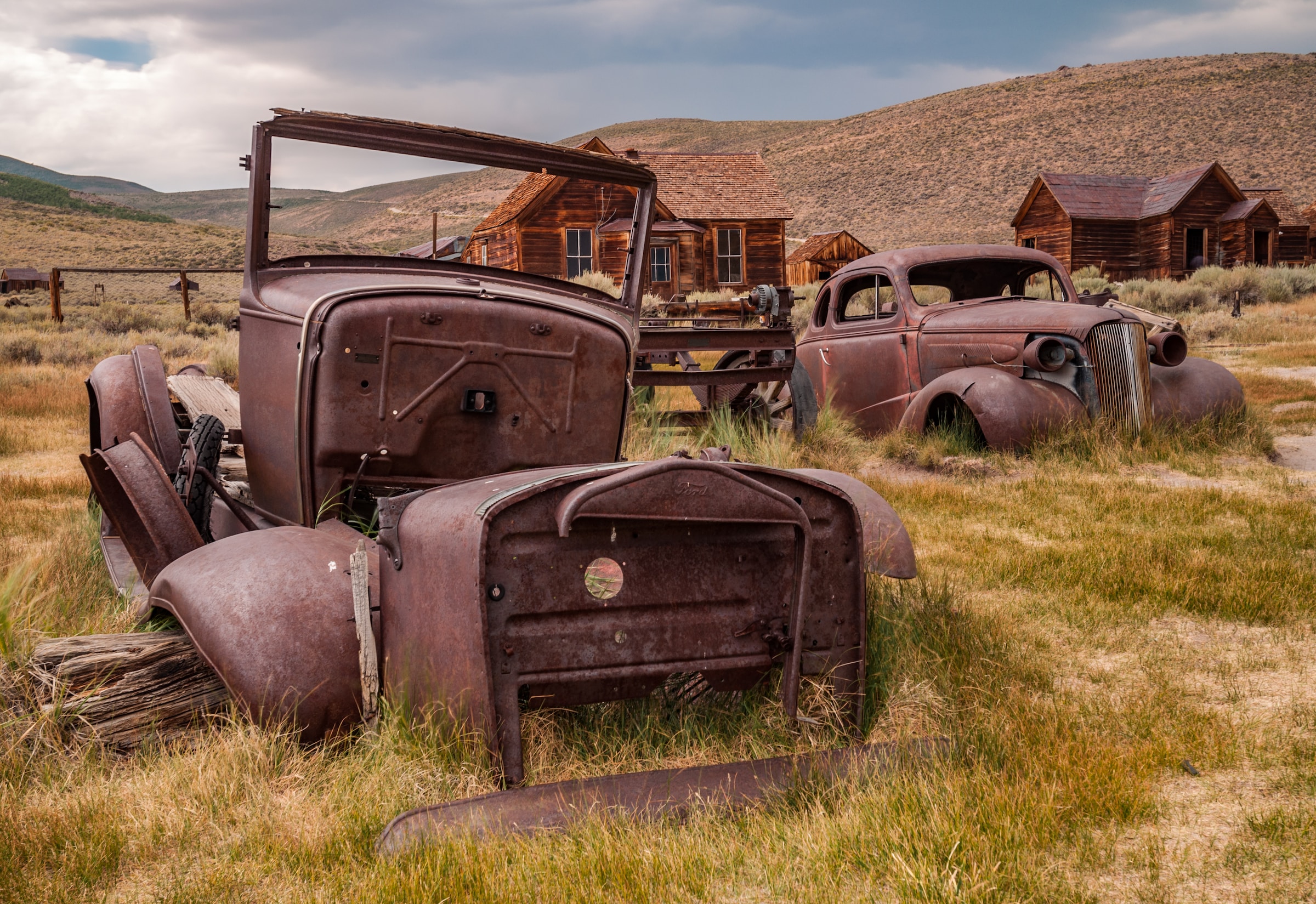
The Bad Man of Bodie Ruled a Town of Saloons and Sin
While Bodie had the structure of a true city, it became notorious for its lawlessness. The phrase “Bad Man of Bodie” spread across California as shorthand for someone especially rough or dangerous. It reflected the town’s reputation for violence, unpredictability, and moral looseness.
Stories suggest that residents would ask each morning,"Have we a man for breakfast?” It was a macabre joke referring to whether someone had been killed the night before.
Much of this reputation came from Bodie’s nightlife. Around 65 saloons lined a long stretch of Main Street, each offering drinks, gambling, and often more. Gambling halls and opium dens drew crowds looking for escape after long days in the mines. The red-light district, located along Bonanza Street, sometimes called Maiden Lane, was lined with small one-room buildings used by sex workers. These “cribs” added to the town’s notoriety and made it a place that defied polite society’s expectations.
Bodie also had a diverse population. Its Chinatown was home to several hundred residents who contributed to the town’s economy and culture. They operated businesses, maintained religious traditions, and performed essential work that kept the town running. Despite its wild image, life in Bodie wasn’t glamorous. Mining brought danger and exhaustion, offering little stability. In many ways, the town's rough behavior extended naturally from the harsh conditions its people endured.
The Ghost Stories That Earned Bodie Its Haunted Reputation
It’s no surprise that a town with such a turbulent past would attract its share of ghost stories. So, is Bodie haunted?
There’s no official answer, but countless visitors have reported strange experiences. Some claim to hear footsteps echoing in empty buildings; others have described sudden cold spots or the unnerving feeling of being watched. Even park staff sometimes share encounters they can’t fully explain.
One of the most well-known historical events tied to Bodie’s haunted reputation is the DeRoche–Treloar murder in 1881. After a violent dispute, DeRoche killed a man named Treloar. Not long after, a vigilante group known as the “601” took matters into their own hands. They broke DeRoche out of jail and executed him near the site of the murder. That location remains marked today.
Another enduring legend is that of Rosa May, a woman said to have helped care for the sick during a local epidemic. Because of her profession, she was reportedly buried outside the cemetery fence. Visitors often leave tokens at her grave, believing she still lingers in spirit.
Wandering through Bodie today heightens the atmosphere. Interiors are still furnished with everyday items, bottles, dishes, and tools, all layered in dust. The silence is profound. It feels less like a museum and more like a place people suddenly abandoned. Whether or not you believe in ghosts, Bodie has an undeniable energy that makes it one of the most atmospheric historic sites in the West.
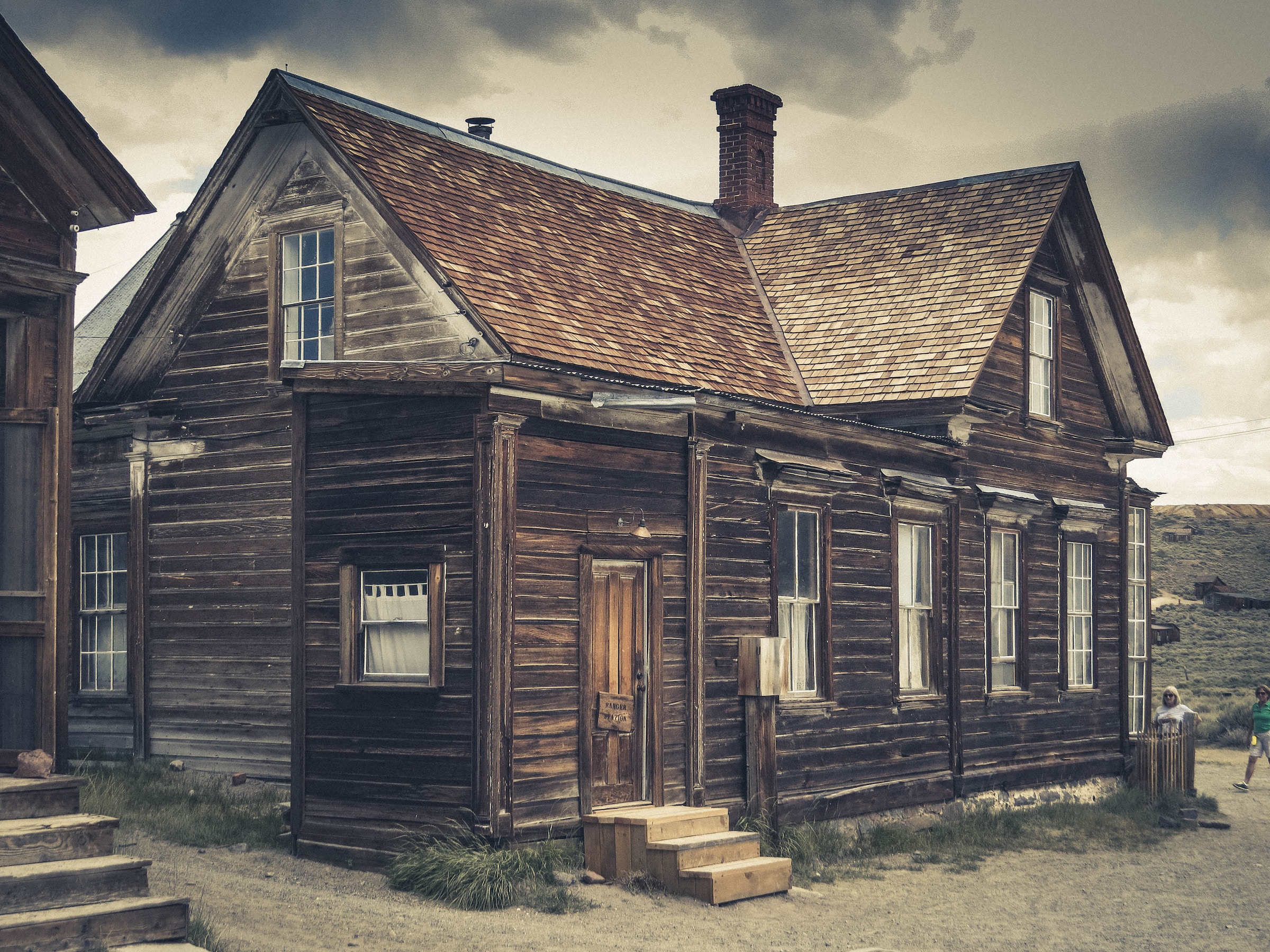
The Curse of Bodie Punishes Anyone Who Takes a Souvenir
One of the most famous legends tied to Bodie is the Curse of Bodie. According to the story, anyone who removes an item from the town, no matter how small, will experience bad luck until it’s returned. This could be anything from a rusty nail to a shard of glass.
Park staff have shared stories of packages arriving in the mail containing stolen objects, along with apology letters. Many claim they experienced misfortune and wanted to reverse their luck by sending items back. While the legend is a memorable part of Bodie’s identity, there’s also a practical side to it. Removing anything from the park is illegal, and preserving the site in its current condition requires that everything stay where it is.
Still, the curse adds to the experience. Whether visitors believe in it or not, it serves as a powerful reminder to respect the town and maybe avoid tempting fate.
Fires and Failing Mines Turned Bodie Into a Ghost Town
Bodie’s decline began not long after its peak. As new mining opportunities opened elsewhere in the West after Bodie's success, people began leaving in search of better prospects. Production slowed, businesses closed, and the once-bustling town gradually emptied during the late 19th and early 20th centuries.
Then disaster hit.
Two major fires reshaped Bodie forever. The first, in 1892, destroyed a large portion of the town. The second, in 1932, caused even greater devastation. It’s often said that the later fire started when a child was playing with matches, an accident that erased much of what remained. Mining officially ended in 1942. By then, only a handful of residents remained, and Bodie was effectively abandoned; it was later turned into a state park in 1962.
Today, only about 5% of the original town survives, but that still means nearly 150 to 200 buildings remain standing, an impressive number compared to most ghost towns.
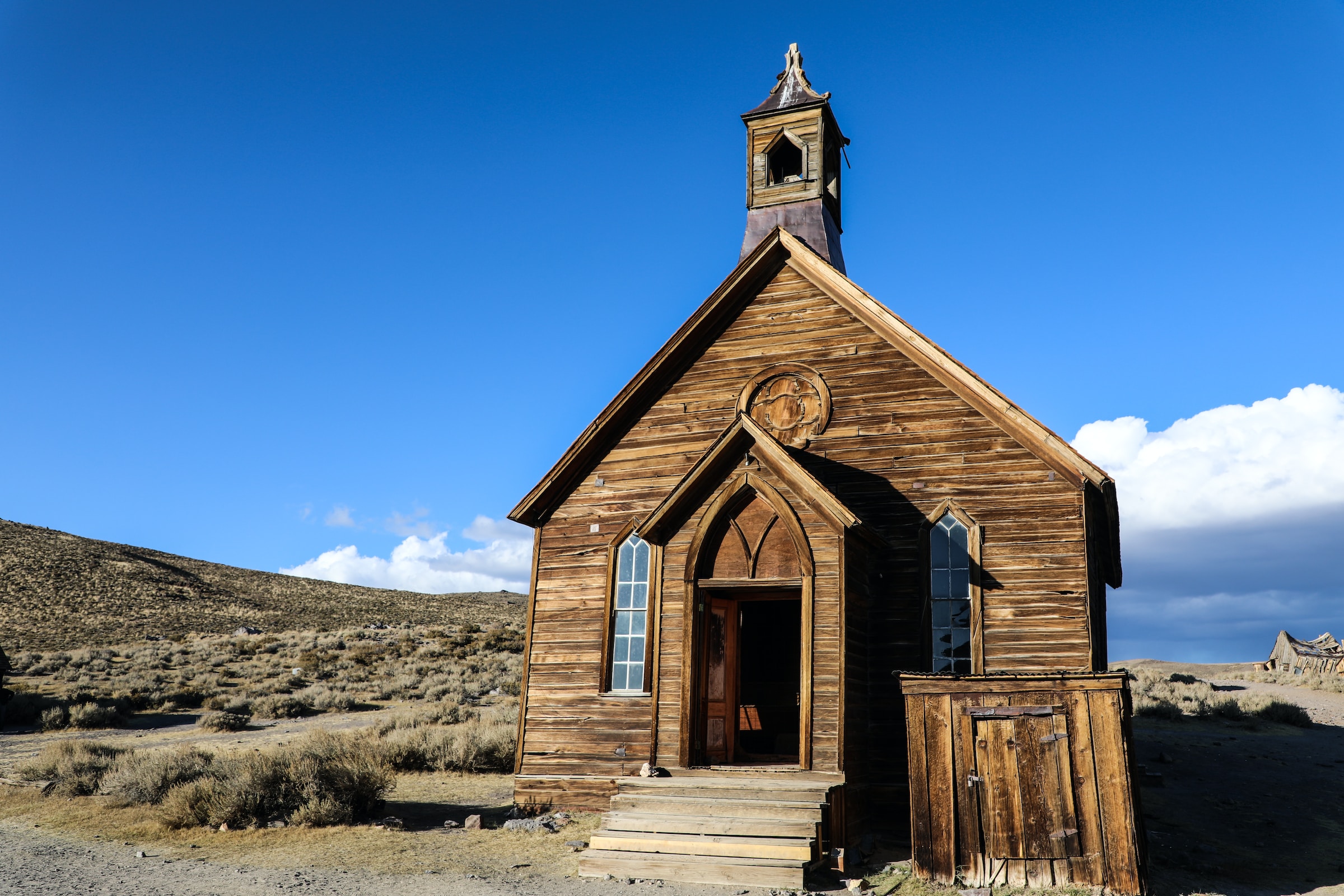
What Bodie Looks Like Today in Arrested Decay
Modern-day Bodie is unlike most historic sites. Instead of restoring buildings to their former appearance, the park preserves them exactly as they were found. This concept, known as “arrested decay,” allows structures to age naturally while preventing complete collapse. There are no permanent residents in Bodie today. Only seasonal staff maintain the site and provide information to visitors.
Step inside many of the buildings, and you’ll see shelves lined with old goods, furniture left in place, and rooms that feel like they have been untouched for decades. Nothing is staged. Everything is authentic. For photographers, Bodie is especially compelling. The textures, lighting, and atmosphere create scenes that feel both beautiful and haunting. It’s a rare opportunity to experience history in such an unfiltered way.
How to Plan Your Bodie Day Trip From Mammoth Lakes
Visiting Bodie from Mammoth Lakes is relatively easy and makes for a memorable day trip. The drive takes about one hour and twenty minutes, heading north on US-395 before turning onto State Route 270. The last few miles are unpaved and can be rough, so slower driving is recommended.
Bodie is open year-round, though access can change with the seasons. Snow may close the main road during the winter months, meaning visitors would need alternative ways to reach the site. At an elevation of over 8,300 feet, preparation is important. Bring layers, stay hydrated, and expect limited services and cell coverage. There are no restaurants or gas stations nearby, so plan ahead.
A few rules to keep in mind:
- Dogs must be on leash and are not allowed inside buildings
- Drones are not permitted
- Camping is not allowed
- Stay out of restricted or unstable areas
- Take nothing from the site
You can also visit the museum, browse the bookstore, or join a guided talk or seasonal ghost walk for more insight.
Make Bodie the Highlight of Your Mammoth Lakes Getaway
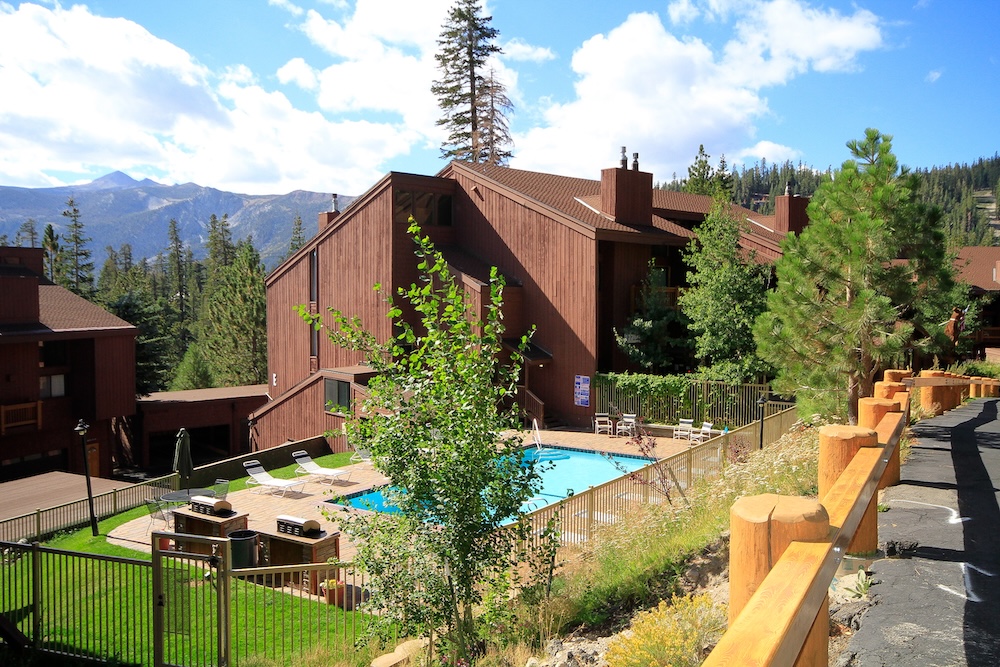
Featured Rental: Mammoth Ski & Racquet Club #120
Bodie offers something truly rare—a chance to step into a place that hasn’t been polished or reimagined but simply preserved. Because there are no accommodations or services at the site, most visitors stay in nearby Mammoth Lakes. It serves as a comfortable and convenient base, offering everything you need before and after your visit. Booking your stay through Mammoth Mountain Reservations makes it easy to find the right home base, whether you’re looking for a cozy condo or a spacious mountain retreat.
Spend the day exploring Bodie’s quiet streets, imagining the lives once lived there, and soaking in the eerie stillness. Then return to Mammoth Lakes to relax and reflect on an experience that feels equal parts history lesson and ghost story. If you’re looking for something unforgettable, Bodie delivers a glimpse into the past that lingers long after you leave.
Browse Mammoth Vacation Rentals
Your Bodie Ghost Town Questions, Answered
Is Bodie haunted?
Many believe it is, though the stories are best viewed as local legend and folklore.
Why did Bodie become a ghost town?
A combination of declining mining activity, population loss, and destructive fires.
Who was Bodie named after?
William S. Bodey, the prospector who first discovered gold in the area.
Is Bodie worth visiting?
Yes, it’s one of the most well-preserved and atmospheric ghost towns in the country.