
Written by: Helen Wells
Helen writes for Mammoth Mountain Reservations, sharing insights and local expertise on what makes Mammoth Lakes a standout mountain destination, from seasonal activities to unforgettable alpine experiences.
Mammoth Lakes Elevation & Altitude Sickness
Altitude sickness is a common worry for visitors before they arrive in Mammoth Lakes, and that makes sense. The town is about 7,880 feet above sea level, and Mammoth Mountain’s summit reaches 11,053 feet. If you’re coming from a lower elevation, it’s normal to wonder how you’ll feel when you get here.
The good news is that most people adjust well with some preparation and by taking it easy at first. If you’re visiting with kids, coming from sea level, or just want to avoid feeling tired on your trip, knowing how altitude affects you can help you enjoy your stay.
This guide explains why altitude affects you in Mammoth Lakes, what symptoms to look out for, how to prevent altitude sickness, how long it takes to adjust, what to do if you feel sick, and how to plan a relaxed first day so you start your vacation feeling good.
In This Piece:
- Why Mammoth's Elevation Can Make You Feel Off
- Symptoms of Altitude Sickness and When to Worry
- How to Prevent Altitude Sickness in Mammoth Lakes
- Remaining Hydrated and Protecting Your Skin at Altitude
- How Long Does It Take to Acclimate to Mammoth's Elevation?
- Exercising and Skiing at Altitude (How to Pace Yourself)
- What to Do if You Get Altitude Sickness
- Altitude and Travelers With Kids, Older Adults, or Health Conditions
- Plan an Easy First Day and Where to Stay
- Frequently Asked Questions About Altitude Sickness
Why Mammoth's Elevation Can Make You Feel Off
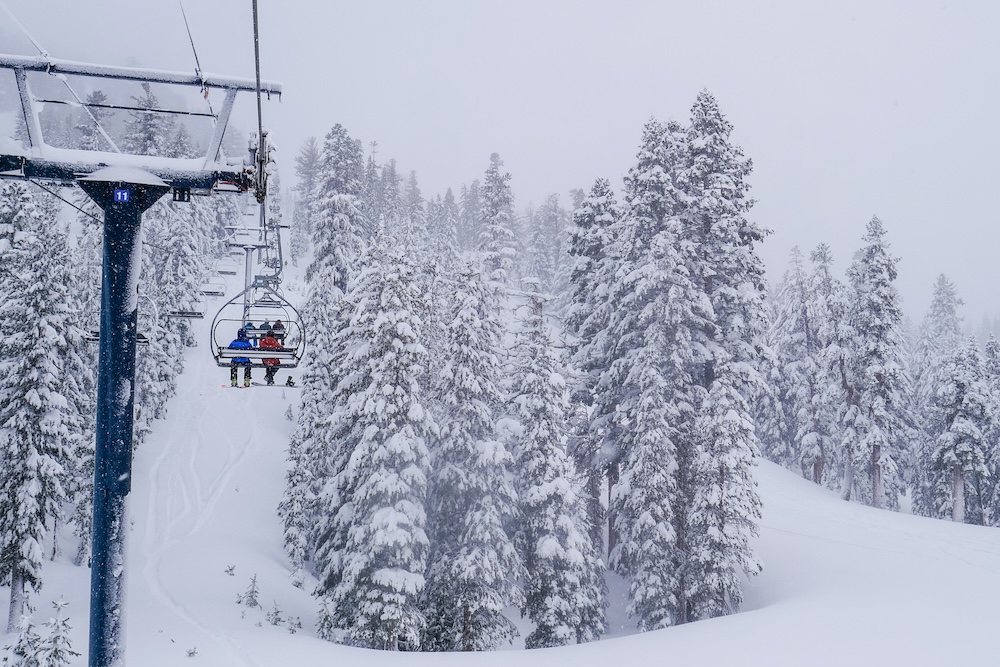
One of the things many guests notice when they reach Mammoth Lakes is the elevation. Here are a few numbers that put things into perspective:
- Town of Mammoth Lakes: approximately 7,880 feet
- The Village at Mammoth: approximately 7,950 feet
- Canyon Lodge and Main Lodge: approximately 8,000–8,900 feet
- Mammoth Mountain Summit: 11,053 feet
At these heights, the air has less oxygen than at sea level. As your body gets used to it, you’ll breathe faster and your body will work a bit harder to get enough oxygen. This adjustment period is known as acute mountain sickness (AMS), more commonly called altitude sickness. Most cases are mild and temporary. During your first day or two, you may notice that hiking feels more challenging, climbing stairs leaves you short of breath, or you feel more tired than usual. Fortunately, these symptoms typically improve quickly as your body acclimates to the higher elevation.
Symptoms of Altitude Sickness and When to Worry
Altitude sickness symptoms often develop 6 to 24 hours after arriving at a higher elevation.
Common Symptoms of Mild Altitude Sickness:
- Headache
- Shortness of breath
- Fatigue or sluggishness
- Trouble sleeping
- Mild nausea
- Dizziness
- Reduced appetite
For most visitors, these symptoms are mild and improve with rest, water, and time.
When to Take It Seriously
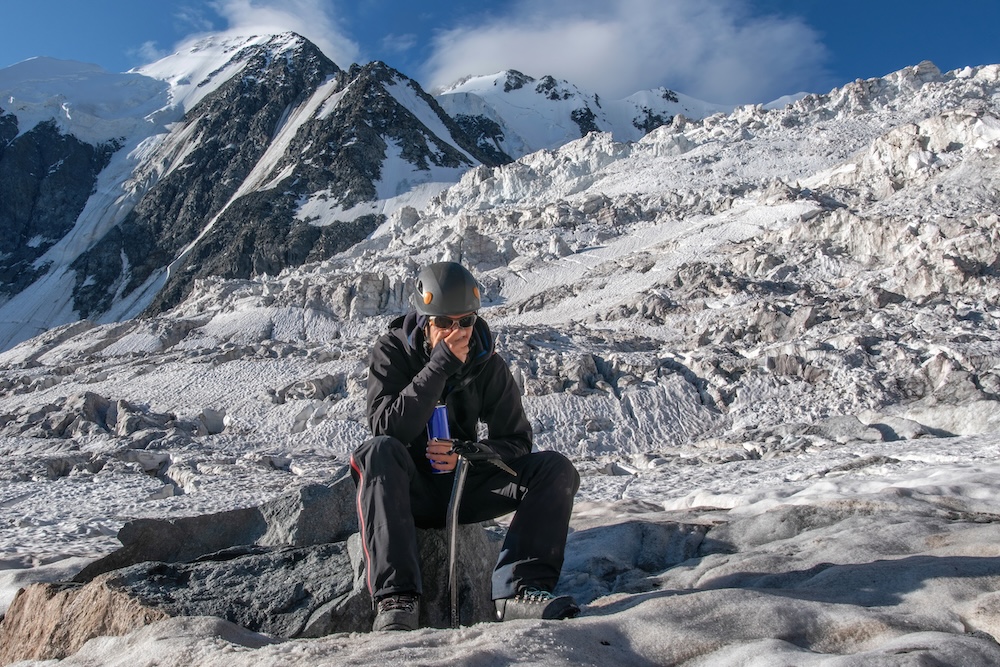
If you experience any of the following symptoms, descend to a lower elevation and seek medical attention immediately:
- Confusion or disorientation
- Persistent vomiting
- Chest tightness
- Difficulty breathing while resting
- Trouble walking or maintaining balance
These symptoms could indicate a more severe altitude illness, like High Altitude Pulmonary Edema (HAPE) or High Altitude Cerebral Edema (HACE). These are rare, but you should always take them seriously. A way to avoid altitude sickness is to let your body adjust. Simple steps on your first day can make a big difference.
Ease Into Day One
We know it's tempting to jump right into the day, to start skiing, hiking, or biking, but taking it easy on your first day helps your body adjust and can keep symptoms from getting worse. Dry mountain air can quickly bring about dehydration. Start increasing your water intake before arriving and continue drinking water consistently throughout your stay.
Limit Alcohol and Caffeine
Alcohol and too much caffeine can make dehydration worse and may make altitude symptoms stronger, especially in your first 24 hours in Mammoth.
Eat Regular Meals
Your body needs energy to adjust. Many people feel better at altitude when they eat regular meals, especially ones with healthy carbs.
Prioritize Sleep
Getting a good night’s sleep helps your body recover and adjust. Try not to pack too much into your first evening so you can rest.
Consider Preventive Measures
If you’re coming straight from sea level, have had altitude sickness before, or are worried about adjusting, talk to your doctor before your trip. They may suggest extra steps or medicine to help.
Protect Yourself From Sun and Dry Air
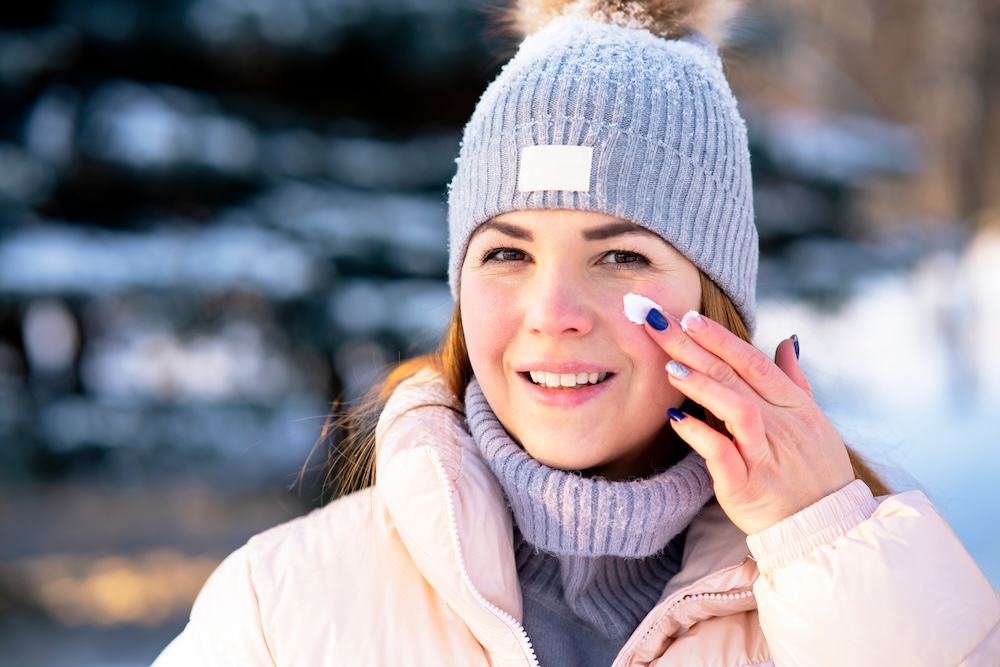
The sun is stronger, and the air is drier at higher elevations. Using sunscreen, sunglasses, lip balm, and moisturizer can help you stay comfortable.
Remaining Hydrated and Protecting Your Skin at Altitude
One of the biggest contributors to altitude-related discomfort is dehydration. At higher elevations, your body loses moisture in several ways:
- You breathe faster and lose more water through respiration.
- Low humidity increases evaporation from your skin.
- Sun and wind exposure further add to fluid loss.
The best way to protect yourself is simple:
- Bring a reusable water bottle.
- Drink more water than you normally would.
- Use moisturizing sunscreen daily.
- Apply SPF lip balm frequently.
- Use fragrance-free lotion to combat dry skin.
Remember, hot tubs, alcohol, and even coffee can make you dehydrated if you don’t drink enough water to balance them out. To avoid dry skin, chapped lips, or irritation, make sure you apply a lotion and a moisturizing lip balm.
How Long Does It Take to Acclimate to Mammoth's Elevation?
Most people start to feel better within 24 to 48 hours after arriving in Mammoth Lakes. It can take a few more days to fully adjust. That’s why your first day matters so much.
Instead of filling your schedule with tough activities right away, give yourself time to settle in, look around town, and take it easy. You’ll probably feel better and have more energy for the rest of your trip. Visiting the Mammoth Lakes Hot Springs is one of our favorite ways to relax and adjust.
Exercising and Skiing at Altitude (How to Pace Yourself)
Whether you're hitting the slopes, heading out for a hike, or spending a day mountain biking, it's normal for physical activity to feel more demanding at altitude.
With less oxygen in the air, your body has to work harder when you exercise. Even experienced athletes often get tired faster during their first day or two in Mammoth.
A few simple strategies can help:
- Start slower than usual.
- Take frequent breaks.
- Drink water throughout the day.
- Refuel with regular meals and snacks.
- Prioritize recovery.
Resting is just as important as being active at high elevation. These recovery tips after skiing or snowboarding can help you feel your best after a day on the mountain.
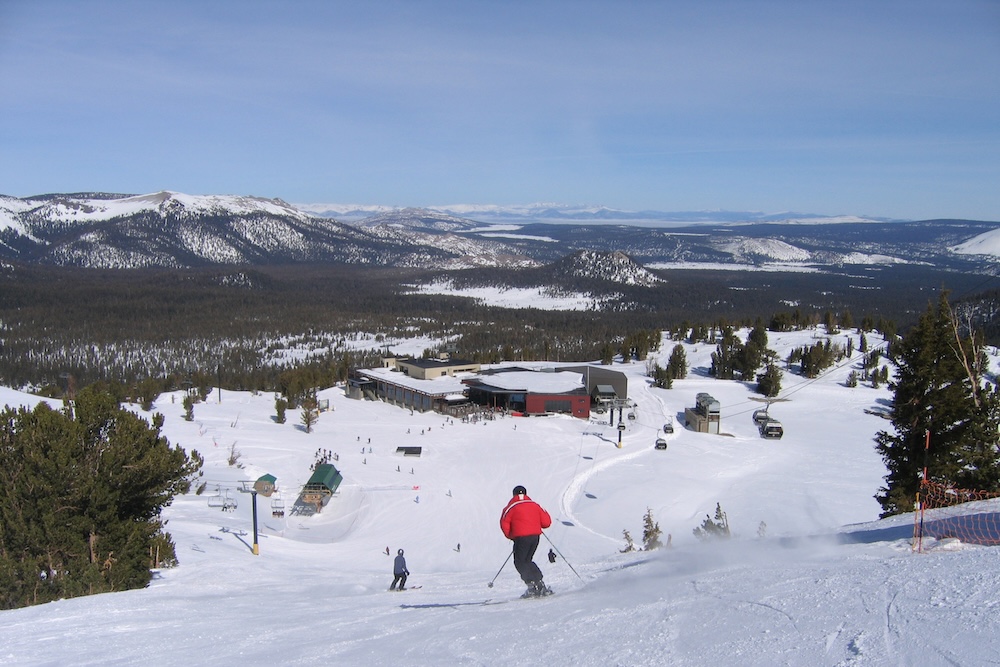
If you’re skiing or snowboarding, it’s especially important not to push yourself too hard on your first day. Mammoth Mountain has lots of terrain, and you’ll probably enjoy it more if you take it easy at the start of your trip. A soak in the hot tub after skiing feels great, but remember that hot tubs can make you dehydrated if you’re not drinking enough water.
What to Do if You Get Altitude Sickness
If you have mild altitude sickness symptoms, try not to worry. Most cases get better with time and self-care.
We recommend:
- Stopping any further ascent
- Resting
- Drinking plenty of water
- Avoiding alcohol
- Using an over-the-counter pain reliever for headaches if appropriate
- Many mild symptoms go away within a day as your body gets used to the altitude.
But if you have serious symptoms like disorientation, trouble breathing while resting, or ongoing vomiting, go to a lower elevation right away and get medical help. Don’t try to tough it out. Luckily, there is medical care available in Mammoth Lakes if you need it.
Altitude and Travelers With Kids, Older Adults, or Health Conditions
Most families have a great time in Mammoth Lakes, but kids and older adults may respond to altitude differently. Kids might not notice or explain their symptoms, so parents should look out for headaches, tiredness, irritability, or not wanting to eat.
Older travelers might need more time to adjust, so staying hydrated and taking it slow is especially important. If you are pregnant or have heart or lung problems, talk to your doctor before coming to higher elevations. The idea isn’t to worry, but to be ready.
Plan an Easy First Day and Where to Stay
The best way to get used to Mammoth’s elevation is to avoid rushing at the start of your vacation. Take time to settle in, drink lots of water, unpack, and enjoy a relaxed first day. A comfortable vacation rental can help you adjust and start your trip feeling refreshed.
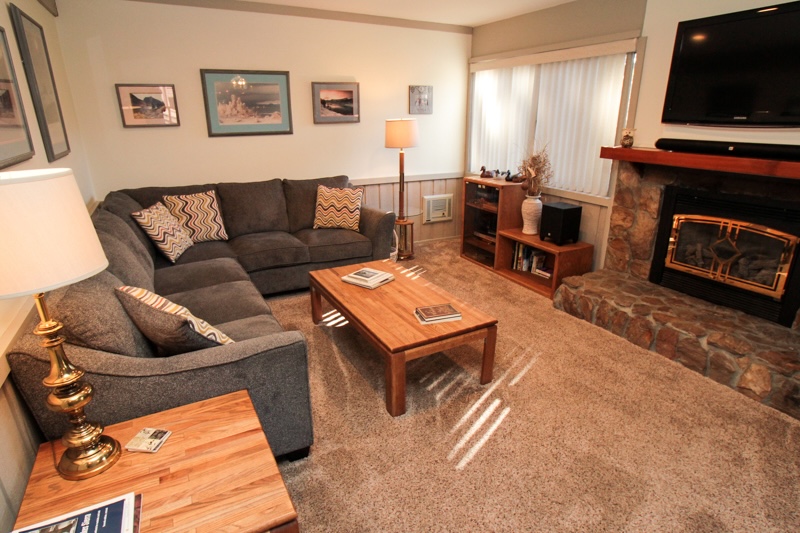
Featured Rental: Mammoth Ski & Racquet Club #84
Check Availability at Mammoth Reservations
Check out our Mammoth vacation rentals to find the perfect place for your mountain trip. Want more relaxed ideas for your first day? Take a look at these winter activities in Mammoth besides skiing.
Browse Mammoth Vacation Rentals
Frequently Asked Questions About Altitude Sickness
Can You Get Altitude Sickness in Mammoth Lakes?
Yes. Mammoth Lakes sits at approximately 7,880 feet above sea level, which is high enough that some visitors may experience mild altitude sickness symptoms, such as headaches, fatigue, dizziness, or shortness of breath. Most cases improve within a day or two with hydration and rest.
How Do You Prevent Altitude Sickness in Mammoth?
The best prevention strategies include staying hydrated, avoiding overexertion on your first day, eating regular meals, limiting alcohol intake, getting enough sleep, and allowing your body time to acclimate after arrival. Staying hydrated is one of the most effective ways to reduce symptoms, especially in Mammoth's dry mountain climate.
What Are the Symptoms of Altitude Sickness?
Common symptoms consist of headache, fatigue, dizziness, nausea, shortness of breath, and difficulty sleeping. Symptoms often appear within the first 24 hours after arriving at a higher elevation.
How Long Does It Take to Acclimate to Mammoth's Altitude?
Most visitors begin feeling better within 24 to 48 hours, although full acclimatization can take several days. Taking it easy during your first day often makes the transition easier.
How High Is Mammoth Lakes?
Mammoth Lakes sits at approximately 7,880 feet above sea level, making it one of California's most popular high-elevation mountain destinations.
What Is the Elevation of Mammoth Mountain?
Mammoth Mountain reaches a summit elevation of 11,053 feet, while the base areas range from approximately 8,000 to 8,900 feet, depending on the lodge location.